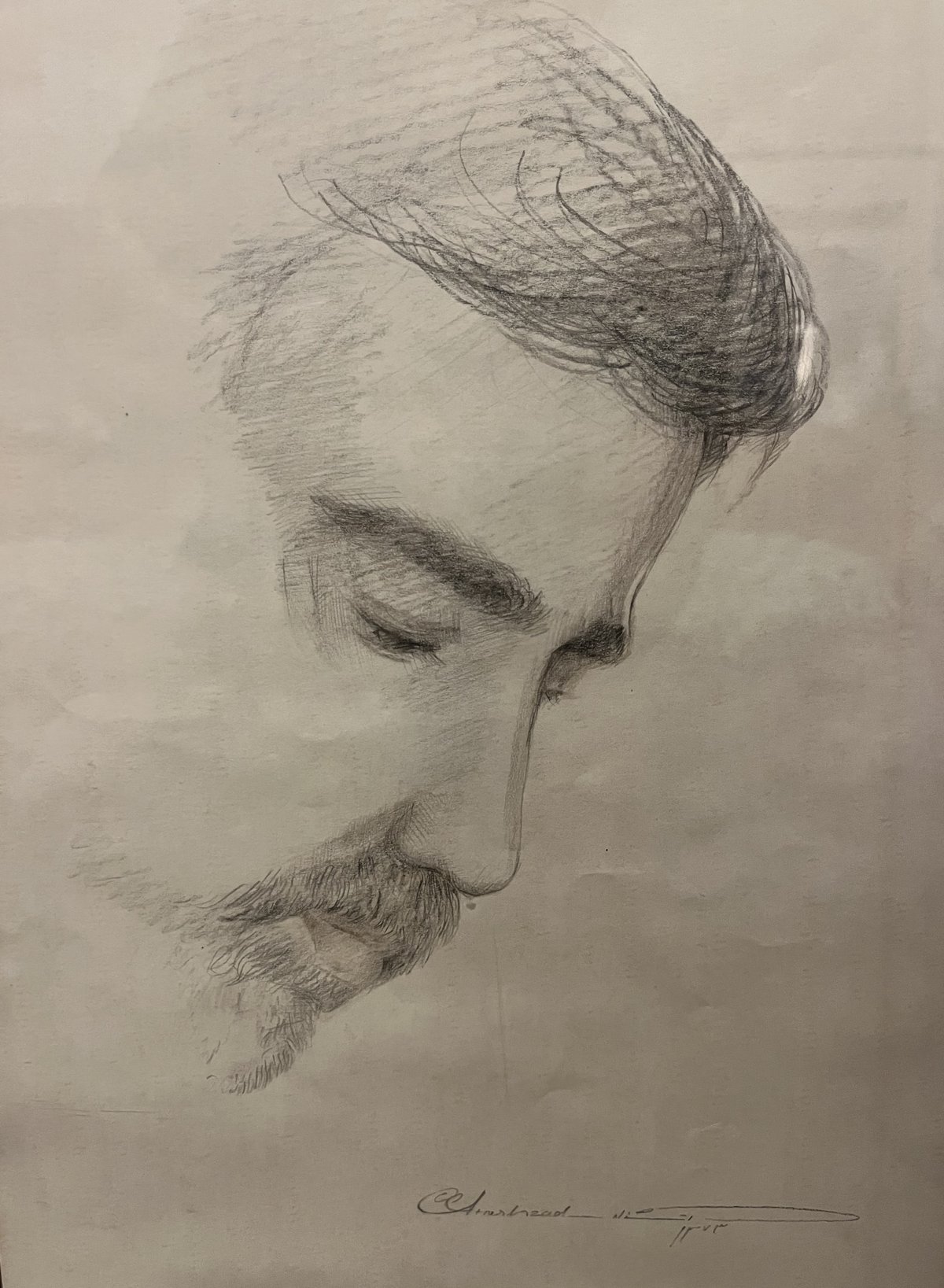
About the Author
Bahram Ghadiri Khamjani
With over four decades of academic and professional experience in the preservation and study of historical architecture and archaeological sites, Bahram Ghadiri Khamjani brings a unique perspective to children’s storytelling. This series is the result of years of research, fieldwork, and a deep commitment to making early human history accessible to younger generations.
Follow Bahram on GoodreadsOur Philosophy
“History is not just a record of the past—it is the memory of humanity. When children understand where we come from, they gain a deeper sense of identity, belonging, and perspective.”
Our Mission
Our mission is to introduce children to the earliest chapters of human civilization through engaging, scientifically grounded storytelling.
Bridge the Gap
Between archaeology and education
Inspire Curiosity
About the human past
Present Cultural History
In an accessible and meaningful way
Explore the Real Places
The adventures in these books are inspired by real archaeological sites.
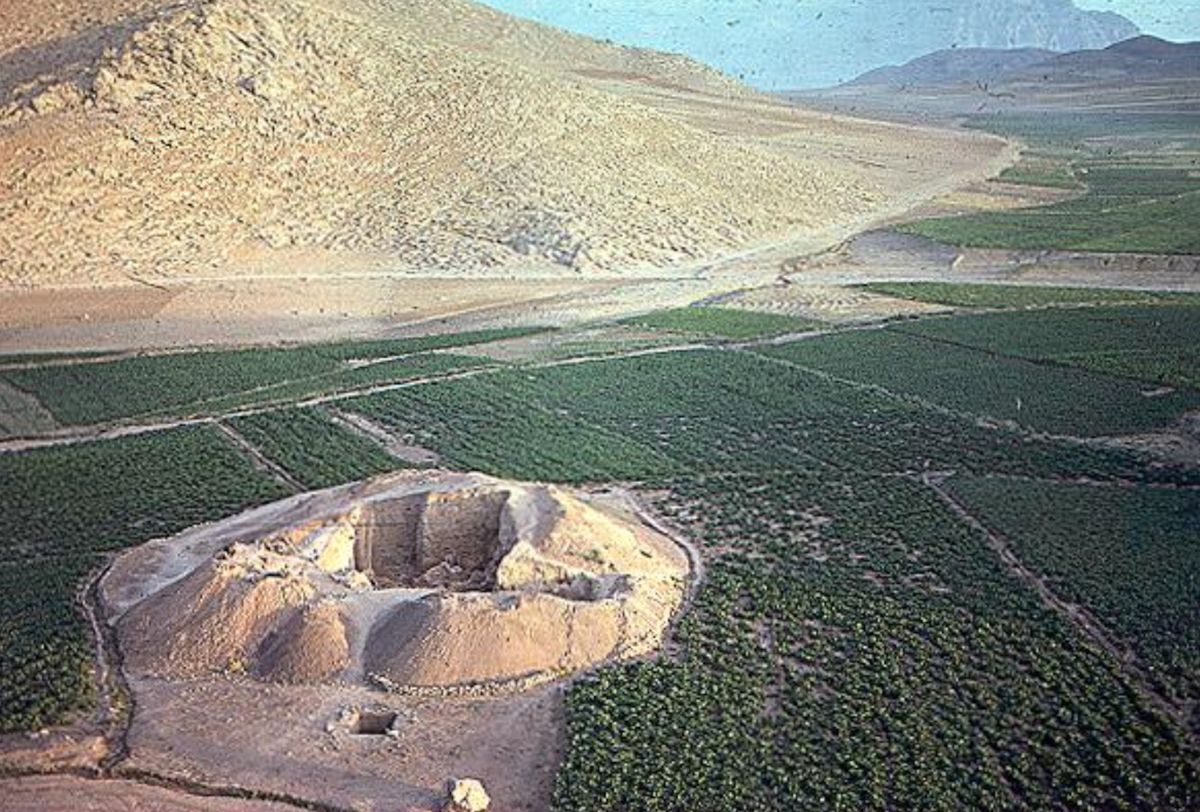
Ganj Dareh
One of the world's earliest known villages, dating back over 10,000 years
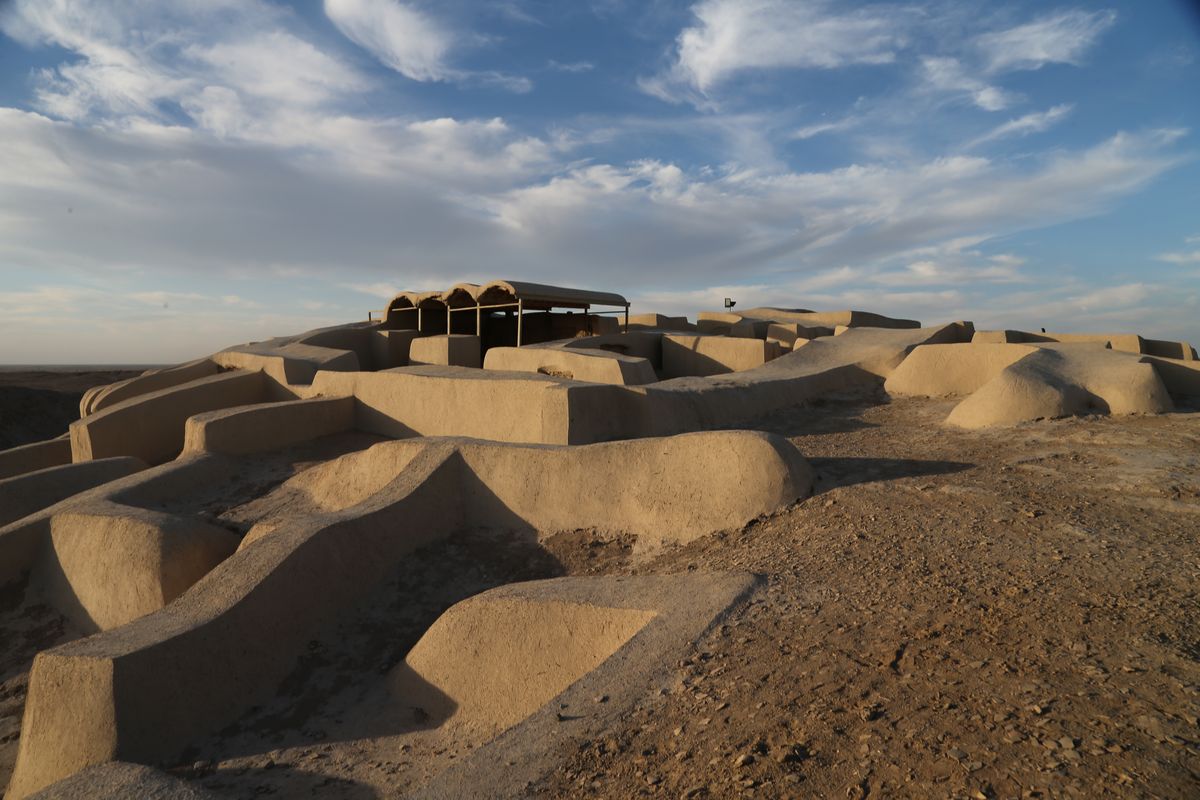
Shahr-e Sukhteh (The Burnt City)
Home to the world's first known animation, created 5,000 years ago
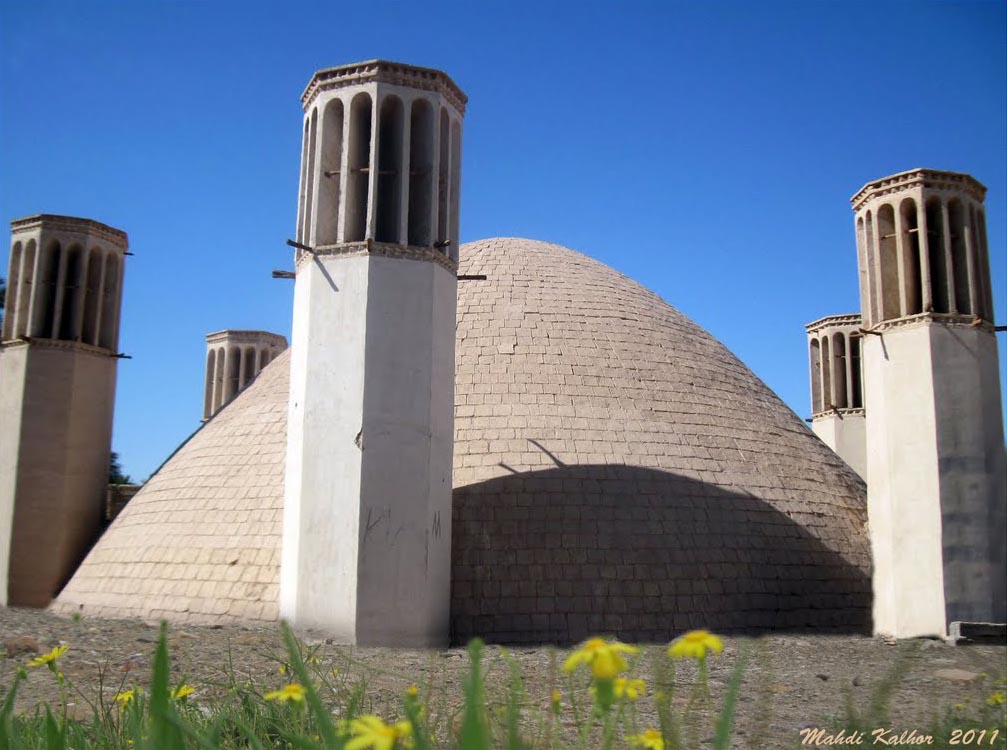
Tepe Asiab
One of the earliest known human settlements, with evidence of the transition from hunting to farming
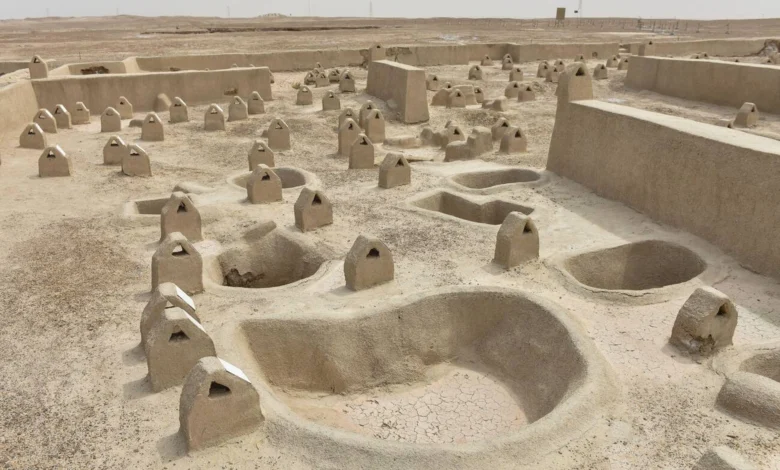
Jiroft
Site of one of the earliest known civilizations and remarkable carved artifacts
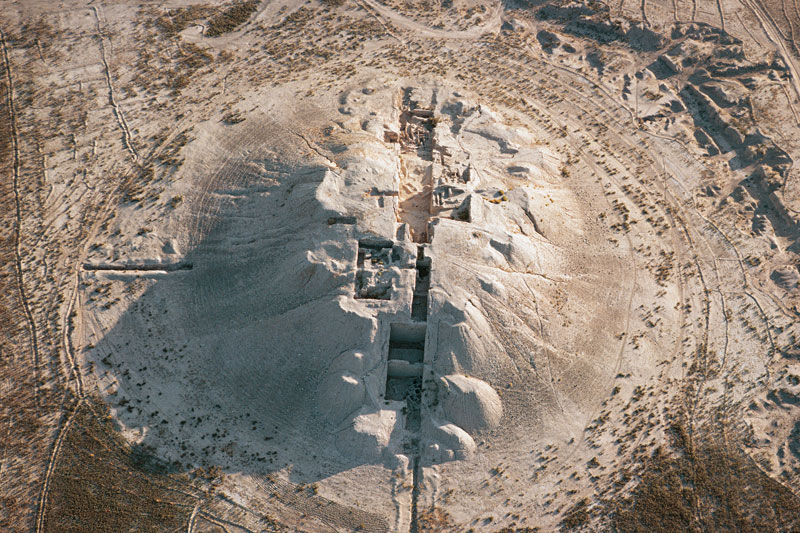
Tepe Yahya
A key site in understanding early trade and writing systems of the ancient world
Real Artifacts. Real History. Real Wonder.
“Every adventure in these books is inspired by objects that real people made, used, and left behind thousands of years ago.”
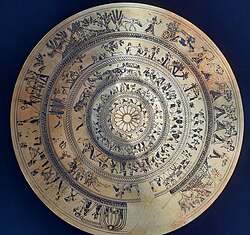
Decorated Ceremonial Plate
Jiroft Culture, southeastern Iran (~2000–3000 BCE)
An intricately decorated ceramic plate featuring concentric bands of animals, human figures, and geometric patterns—evidence of sophisticated artistic culture thousands of years before written history.
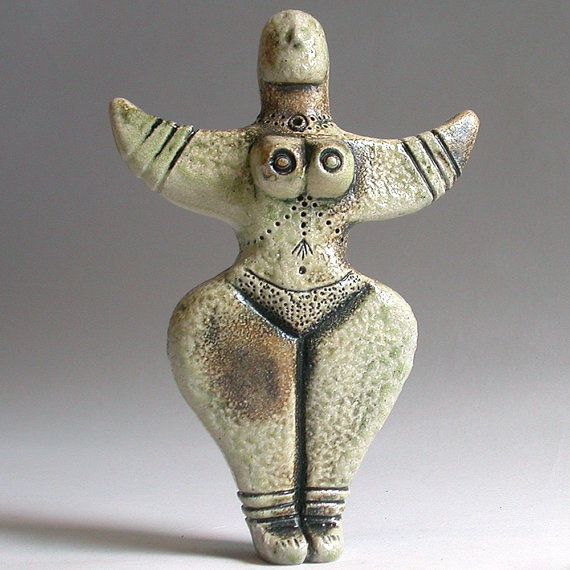
Ancient Figurine
Iranian Plateau, Neolithic Period
A ceramic human figurine representing the artistic and spiritual expression of some of the world’s earliest settled communities.
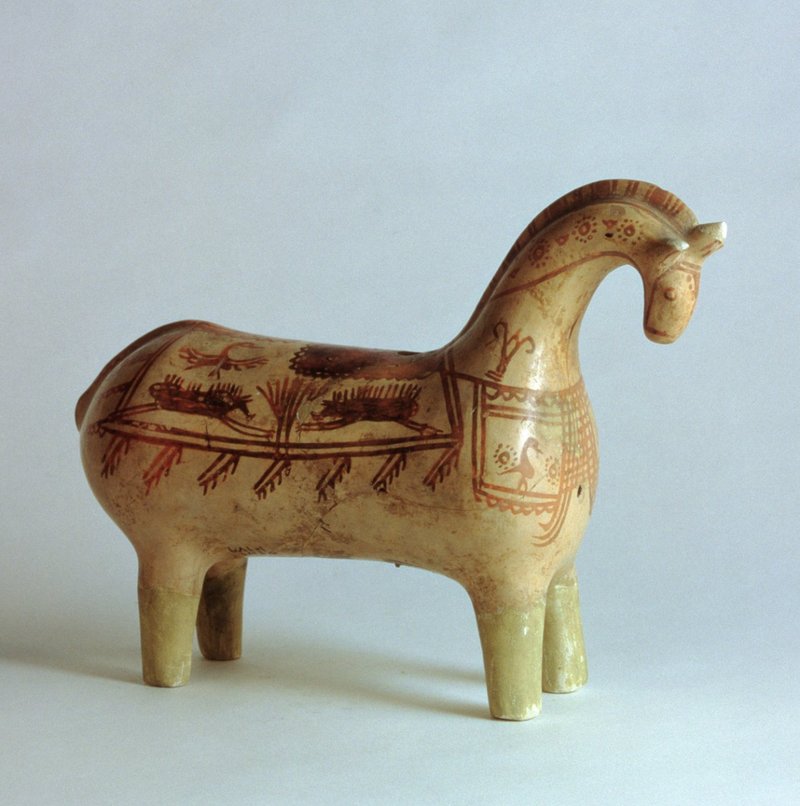
Painted Ceramic Horse
Iranian Plateau, ~1000 BCE
A beautifully decorated ceramic horse figurine with painted geometric patterns and animal scenes—a window into the artistic traditions of ancient Iran.
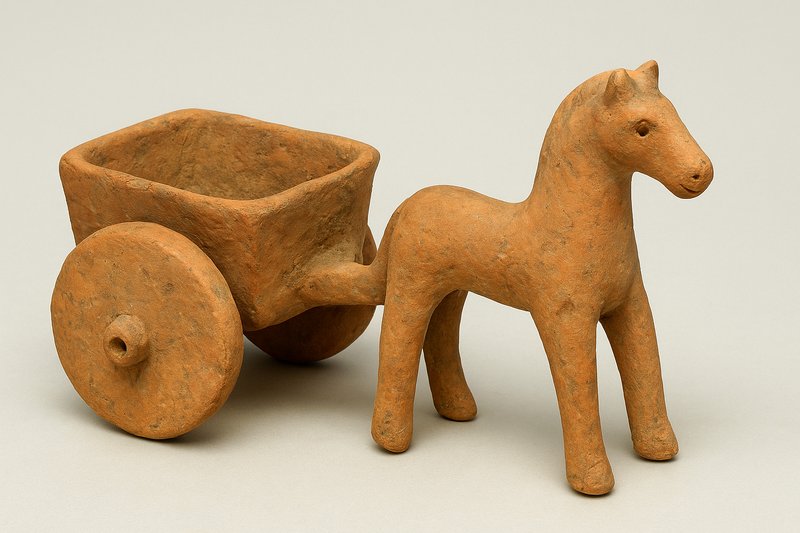
Horse and Cart Toy
Iranian Plateau, Bronze Age
A clay toy horse pulling a wheeled cart—evidence that children played with toys thousands of years ago, just as they do today.
“These are not just objects—they are messages from our ancestors, waiting to be understood.”