How Horses Came to Ancient Iran
The story of how wild horses on the Iranian Plateau became the bold companions of Elamite kings, messengers, and warriors — and made ancient Iran one of the world's great horse cultures.
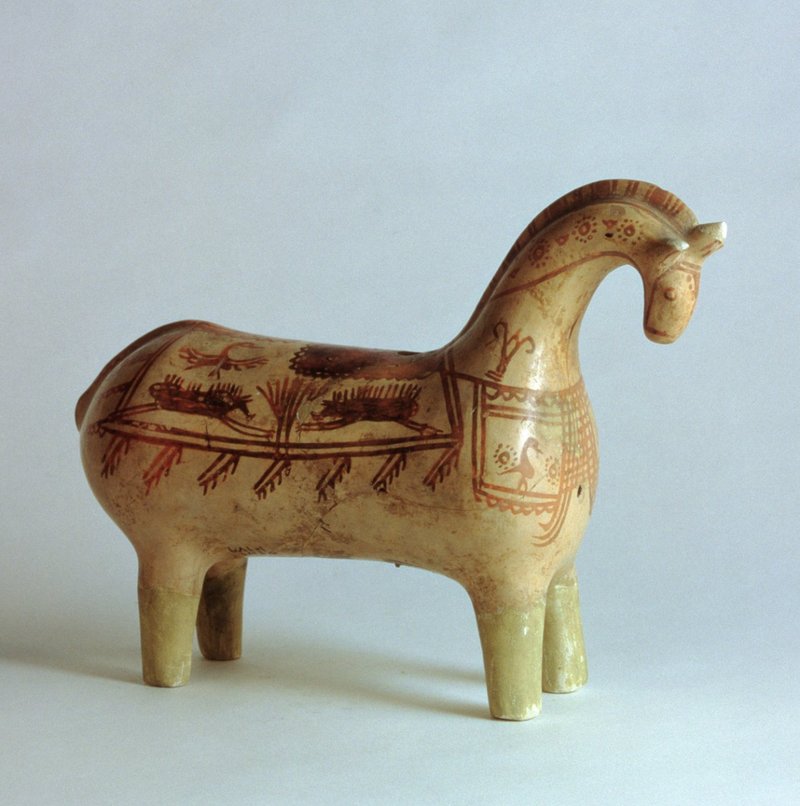
For thousands of years, the people of ancient Iran watched powerful wild horses run across the plains and mountains of the Iranian Plateau. But long ago — around 12,000 years ago — these animals were still wild, and people had not yet learned how to ride or care for them.
In the earliest villages of Iran, such as Ganj Dareh and Chogha Golan, families raised goats and sheep and began farming for the first time. Horses were still mysterious creatures roaming freely in nature.
Thousands of years later, people in parts of Central Asia and the lands north of Iran slowly learned how to tame horses. Over time, horses reached the Iranian Plateau and became some of the most admired animals of the ancient world.
During the time of the Elamite civilization, kings and warriors discovered that horses were fast, strong, and perfect for pulling chariots. Powerful kingdoms in Mesopotamia loved horses so much that they often brought them from the mountains and lands connected to ancient Iran.
Soon, horses became symbols of bravery, royalty, and adventure. They helped messengers travel long distances, carried warriors into battle, and connected distant cities and cultures.
Long before cars, trains, or airplanes existed, horses were among humanity's greatest companions — and ancient Iran became one of the great horse cultures of the ancient world.