Why Iran's Real History Starts Long Before the Achaemenids
For centuries the story of Iran has been told through Greek eyes — skipping past Tepe Sialk, Shahr-e Sukhteh, and the 2,660-year Elamite world that came first.
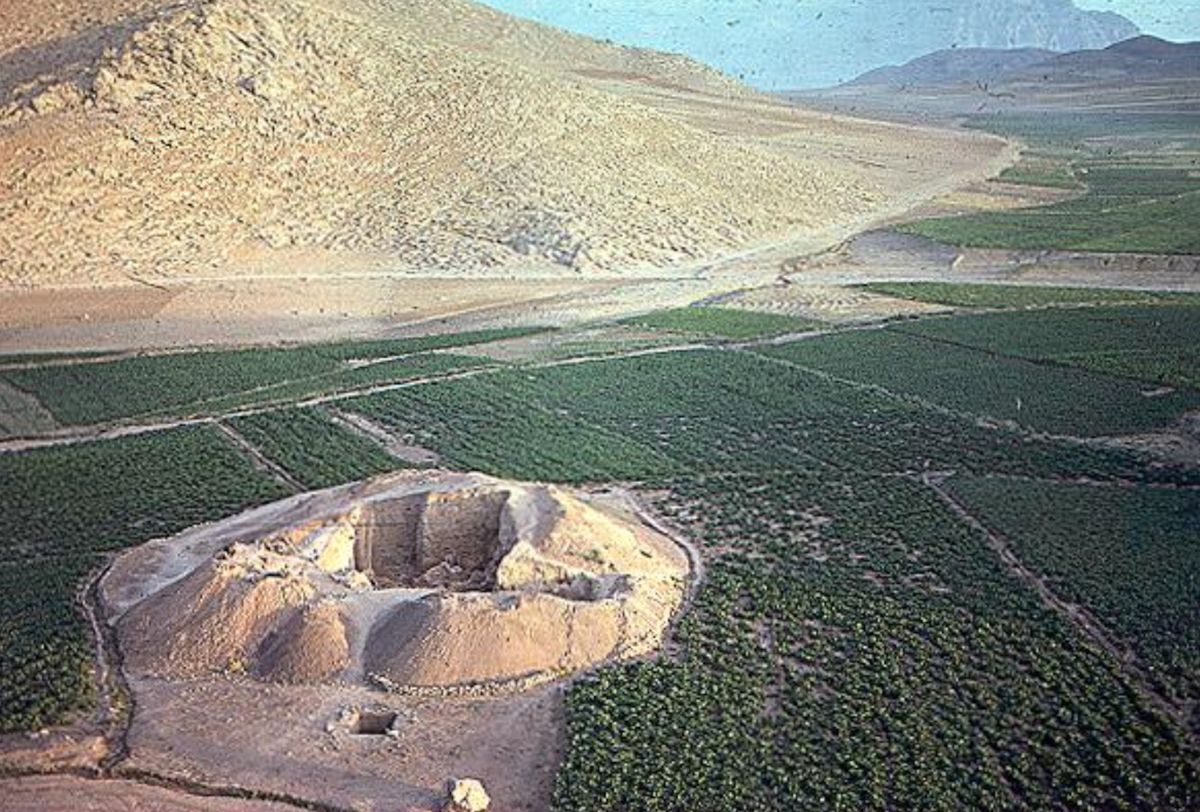
For many generations, the history of Iran presented in books and popular narratives has largely been shaped through the writings of early Orientalists and classical historians who relied heavily on Greek sources. The Greeks encountered Iran primarily through their conflicts with the Achaemenid Empire, especially during the Greco-Persian Wars. Naturally, their understanding of Iran was limited to what they saw through the lens of political rivalry, warfare, and imperial confrontation. They had neither sufficient access to the deeper past of the Iranian Plateau nor adequate knowledge of the ancient civilizations that had flourished there long before the rise of the Achaemenids.
Following this tradition, many later historians and even some Iranian writers began the story of Iran with the migration of Aryan-speaking peoples, as if no great civilizations had existed in this land beforehand. This narrative unintentionally obscured thousands of years of human settlement, cultural development, technological innovation, and urban life that had already emerged across the Iranian Plateau.
Archaeology, however, tells a very different story.
Long before the arrival of Indo-Iranian groups, the land of Iran was home to some of the earliest villages, farming communities, and urban societies in human history. Excavations at sites such as Tepe Sialk, Shahr-e Sukhteh, Tepe Yahya, and Chogha Mish reveal sophisticated societies with architecture, metallurgy, trade networks, art, music, and organized urban life stretching back many thousands of years.
Among these civilizations, the Elamite Civilization holds a particularly important place. Many historians and archaeologists consider Elam one of the longest-lasting political and cultural traditions in the ancient world, with nearly 2,660 years of continuous presence in the history of Iran. Yet despite its significance, this remarkable civilization remains unfamiliar to many children and even adults.
Our books seek to help address this historical gap. Through archaeology, storytelling, and child-friendly narratives, we aim to introduce younger generations to the forgotten chapters of Iran's ancient past — not only the history of kings and empires, but the history of the people who built the first villages, created the first crafts, developed early music and art, and laid the foundations of civilization on the Iranian Plateau.
By bringing these neglected periods of history to children and families, we hope to foster a deeper understanding of Iran's cultural heritage and remind future generations that the story of Iran did not begin with wars or dynasties alone. It began thousands of years earlier, with human creativity, community, and civilization itself.