How Parents Can Help Children Fall in Love with Ancient History
A few minutes of reading together, the right questions at bedtime, a museum trip on Saturday — small parent choices are what turn ancient Iran into a child's favorite story.
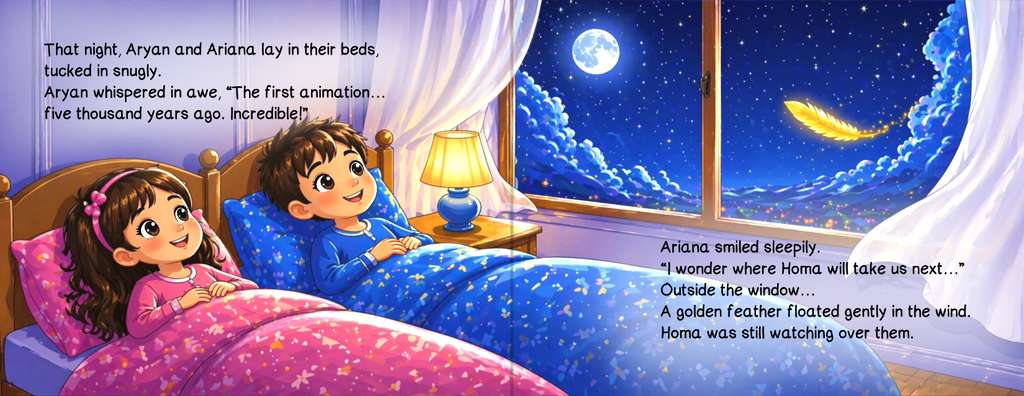
Parents play a fundamental role in introducing children to the ancient history, culture, and achievements of their homeland. Research in child development consistently shows that children are far more likely to develop lasting reading habits and cultural awareness when parents actively participate in the learning process. A child's first connection to identity, heritage, and values begins at home.
One of the most effective ways parents can encourage interest in historical and cultural books is by reading together regularly. Even a few minutes each evening can create positive emotional memories associated with books and learning. Children often remember not only the stories themselves, but also the warmth, attention, and conversations shared with their parents during reading time.
Parents should also present history as a fascinating adventure rather than a school obligation. Ancient civilizations, archaeological discoveries, early inventions, music, architecture, and stories of everyday life can inspire wonder and curiosity when shared in an engaging and age-appropriate way. Children are naturally drawn to stories of discovery, mystery, creativity, and courage.
Another important recommendation is to allow children to ask questions freely. Instead of focusing only on memorizing facts or dates, parents can encourage imagination and discussion:
"What do you think life was like in an ancient city?"
"How did children play thousands of years ago?"
"How did people build these amazing structures?"
Such conversations help children connect emotionally and intellectually with the past.
Parents can also strengthen learning by connecting books with real experiences. Visiting museums, cultural events, historical exhibitions, archaeological documentaries, or even looking at maps and ancient objects together can make history come alive. Children learn more deeply when they can see, touch, and visualize the world they are reading about.
Creating a small home library dedicated to culture, history, and storytelling is another valuable step. When books are visible and accessible in daily life, children naturally become more interested in reading. Experts often emphasize that children imitate what they see. Parents who read books themselves send a powerful message that learning and culture are important and enjoyable.
It is also essential to encourage pride without creating prejudice. Teaching children about the achievements of ancient Iran should inspire confidence, appreciation, and respect for their heritage while also encouraging respect for other cultures and civilizations. Healthy cultural identity helps children become more open-minded, confident, and socially connected individuals.
For families living outside Iran, these books can play an especially meaningful role. They help children maintain a connection to language, traditions, values, and historical memory across generations. In many cases, books become a bridge between grandparents, parents, and children, preserving stories and cultural knowledge that might otherwise fade over time.
Practical Guidelines for Parents
- Read historical stories aloud with enthusiasm and emotion.
- Choose age-appropriate and visually engaging books.
- Encourage questions and open discussions.
- Connect stories to museum visits, maps, crafts, or documentaries.
- Create regular family reading time without digital distractions.
- Celebrate curiosity rather than testing memorization.
- Introduce children to historical heroes, artists, inventors, and ordinary people from ancient cultures.
- Allow children to imagine themselves traveling into the ancient world.
- Keep books visible and accessible at home.
- Most importantly, make learning history a joyful and inspiring experience.
When parents nurture a child's curiosity about the past, they are not only teaching history — they are helping build identity, imagination, confidence, and a lifelong love of learning.