Most Interesting Archaeological Findings from Ancient Iran — From 12,000 Years Ago to the Median Period
From Chogha Golan's first farmers to the columned halls of the Medes, Iran's archaeological record turns ancient dust into living lessons kids can feel.
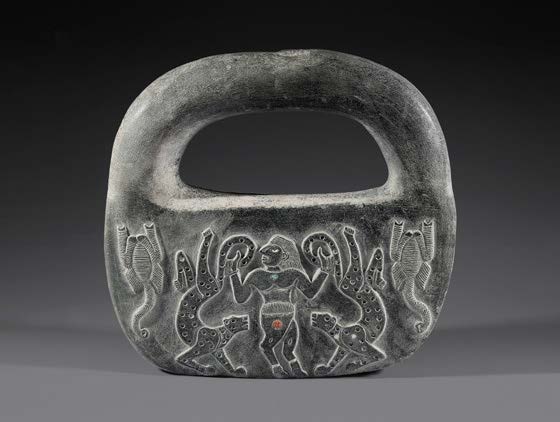
Iran's archaeological record stretches back over 12,000 years, offering children a thrilling window into humanity's earliest steps toward civilization. These discoveries make history feel alive and relevant, helping kids build pride in Iranian heritage, spark curiosity, and develop critical thinking.
Around 12,000 years ago in the Zagros Mountains, sites like Chogha Golan reveal some of the world's earliest farming experiments. Kids learn how ancient people domesticated barley, peas, and lentils, transitioning from hunters to villagers — a foundational moment in human progress that shows ingenuity and adaptation.
Tepe Sialk near Kashan features one of Iran's oldest settlements with early pottery, ziggurat-like structures, and evidence of growing communities. Children are fascinated by how people built homes, crafted beautiful ceramics, and organized daily life thousands of years ago.
Susa, occupied for millennia, yields stunning pottery, early administrative seals, and artifacts showing complex trade and society. Anshan (Tall-e Malyan) highlights highland-lowland connections, while Shahdad in the desert surprises with advanced Bronze Age metallurgy, urban planning, and trade networks — proving early Iranians thrived even in harsh environments.
By the Iron Age leading to the Median period (roughly 7th–6th century BCE), sites like Godin Tepe and Nush-i Jan uncover monumental columned halls, temples, and fortresses. These reveal organized societies with impressive architecture and emerging state-like structures.
For kids, these findings are powerful educational tools. They promote cultural identity by showing Iran as a cradle of innovation in farming, crafts, urban life, and engineering. They encourage curiosity and critical thinking — questions like "How did they build this without machines?" or "What did these seals mean?" sharpen observation and reasoning. They foster global awareness, teaching that great civilizations rose across many regions, building empathy and respect. Above all, they inspire creativity and resilience, showing young minds the enduring human spirit of discovery and achievement.
Exploring these stories through museums, models, or simple crafts turns ancient dust into living lessons about our shared past and potential.