What is Archaeology Today, and Why Kids Need It
Modern archaeology blends excavation with DNA, drones, and satellites — and teaches kids to think like detectives, storytellers, and stewards of a shared past.
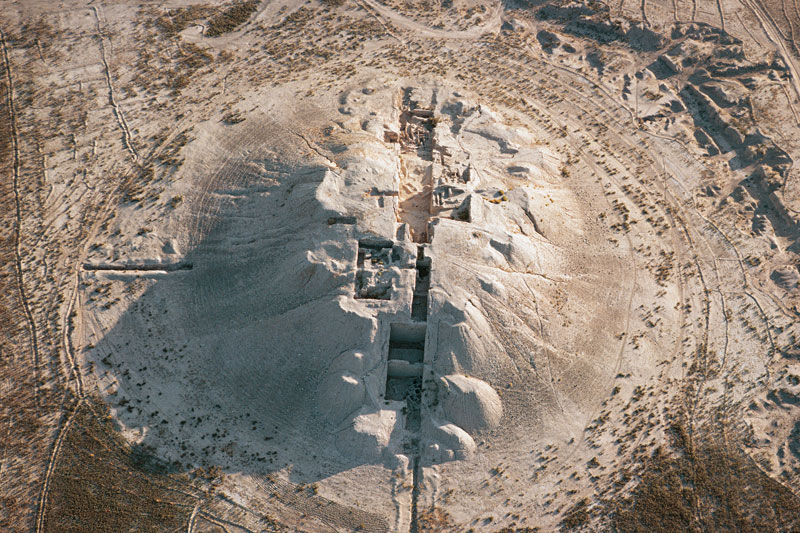
Archaeology today is far more than digging up old bones or pottery. It is a dynamic, high-tech science that combines excavation with laboratory analysis, advanced imaging, DNA studies, climate data, and even satellite and drone technology. Modern archaeologists work like detectives and storytellers: they uncover how people lived, ate, traded, worshipped, and solved problems thousands of years ago. They collaborate with historians, biologists, chemists, and indigenous communities to understand not just objects, but entire societies and their environments.
Far from the old image of treasure hunters, today's archaeology focuses on preservation, ethical practices, and answering big questions about human resilience, migration, innovation, and sustainability.
Why should kids learn about this science?
First, it sparks curiosity and critical thinking. Children learn to ask evidence-based questions: How do we know this tool is 8,000 years old? What does this broken pot reveal about ancient diets or trade? These habits strengthen observation, reasoning, and problem-solving skills essential for every subject.
Second, archaeology gives kids a deeper sense of identity and global awareness. By exploring humanity's shared past — from early farming villages to great cities — they understand that every culture has contributed to our world. This builds empathy, reduces stereotypes, and nurtures cultural pride, especially for children from rich heritage backgrounds like Iran.
Third, it teaches resilience and creativity. Seeing how ancient people adapted to climate changes, invented farming, built complex societies, or created beautiful art inspires kids to believe in human potential and think long-term.
Finally, in an era of rapid digital change, archaeology reminds children of continuity and roots. It encourages environmental awareness and respect for heritage sites that face modern threats.
Introducing kids to archaeology — through museum visits, simple home digs in the garden, documentaries, or hands-on crafts — turns history into an exciting adventure. A basic knowledge of this science doesn't just inform; it helps raise thoughtful, curious, and grounded human beings ready to shape the future.