Why Knowledge About the Archaeology of Ancient Iran is Useful for Kids
Iran's 12,000 years of archaeology give kids more than history — they build cultural pride, sharpen critical thinking, and inspire dreams as big as the ancient cities themselves.
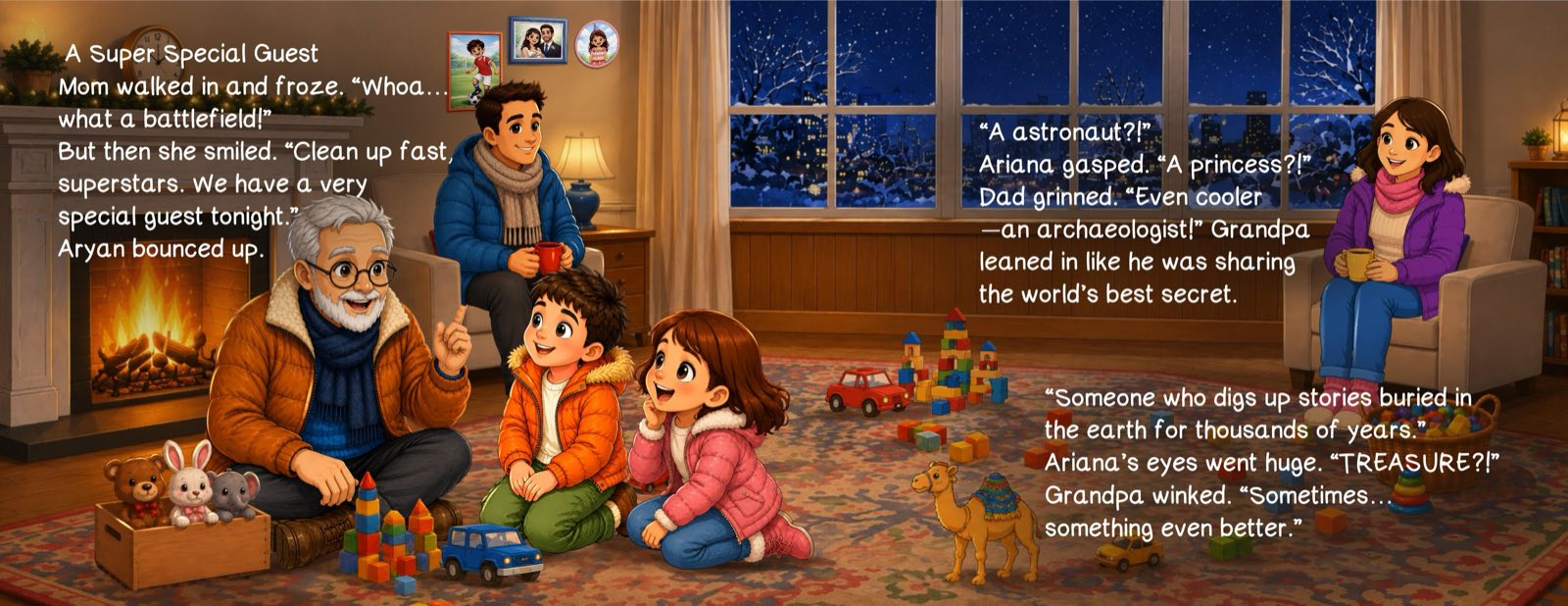
In our fast-paced digital world, introducing children to Iran's 12,000 years of archaeology and civilization offers deep rewards. From the earliest villages to remarkable ancient cities, these discoveries reveal humanity's long journey in ways no video game or cartoon can match.
Iran's story begins with the first farming villages around 10,000 BCE, marking the shift from hunter-gatherer life to settled communities. Kids can explore sites like Tepe Sialk (one of the oldest ziggurat-like structures), Susa (a thriving center for thousands of years), Anshan, and Shahdad — an early Bronze Age urban settlement famous for its advanced metallurgy and desert-adapted culture. These places show sophisticated pottery, architecture, trade networks, and engineering long before many other civilizations.
Learning this history builds cultural pride and identity for children of Iranian heritage while giving all kids respect for a land that shaped early human progress in farming, urban planning, art, and technology.
It also sharpens critical thinking and curiosity. Children learn to question: How did ancient people build thriving cities in harsh deserts? What do broken tools and clay tablets reveal about daily life? These inquiries develop observation, evidence-based reasoning, and imagination.
Moreover, it nurtures global awareness and empathy. Kids see that great achievements emerged across many regions and cultures, promoting understanding in our diverse world.
Finally, the creativity and resilience of these early civilizations inspire children to dream big and value human ingenuity.
Take your kids to museum exhibits featuring artifacts from Sialk or Susa, or explore simple crafts inspired by ancient Iranian designs. A glimpse into Iran's deep archaeological past doesn't just teach history — it helps children understand our shared human story and potential.