Why Iranian Diaspora Children Should Learn About Iran's 12,000-Year History
For kids growing up between two worlds, knowing the deep story of ancient Iran builds identity, resilience, and pride that connects them to one of humanity's oldest civilizations.
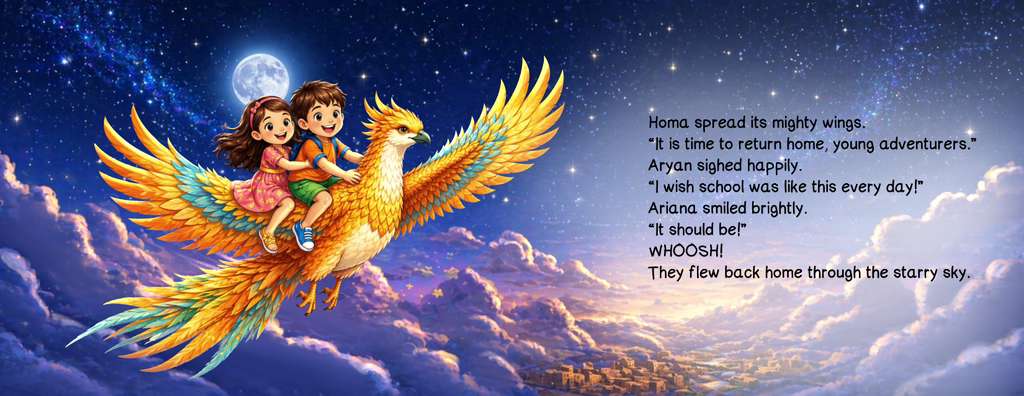
For Iranian children growing up in the diaspora, learning about the 12,000-year history and civilization of Iran is far more than simply memorizing ancient dates or kings. It can become a foundation for identity, confidence, belonging, and cultural continuity.
Here are some of the most important advantages:
1. A Stronger Sense of Identity
Many diaspora children grow up between two worlds. When they know the deep history of Iran — from the first villages in the Zagros Mountains to cities like Susa, Chogha Zanbil, and Shahr-e Sukhteh — they begin to understand that they come from one of the world's oldest civilizations.
This creates:
- pride without nationalism,
- confidence without arrogance,
- and a healthy sense of “who I am.”
Research on heritage education and diaspora identity shows that cultural knowledge helps children develop stronger self-esteem and belonging.
2. Protection Against Cultural Erasure
Diaspora communities often slowly lose language, traditions, and historical memory over generations. When children know stories, archaeology, music, architecture, myths, inventions, and daily life from ancient Iran, they remain connected to their roots even if they live far from Iran.
Without this connection, many children eventually know almost nothing about their own background except stereotypes or political headlines.
Heritage education helps preserve cultural continuity across generations.
3. Building Emotional Connection to Parents and Grandparents
Children who understand their cultural background often communicate more deeply with older family members. Grandparents' stories suddenly become meaningful instead of distant or “old-fashioned.”
Studies on heritage language and culture show stronger family relationships and intergenerational connection among children who maintain cultural ties.
4. Correcting Historical Misunderstandings
Many children in the West hear little about Iran beyond modern political news. They rarely learn that:
- some of the world's earliest farming villages appeared on the Iranian Plateau,
- advanced metallurgy developed early in ancient Iran,
- Elamite civilization flourished long before classical Greece,
- Persian culture contributed to science, architecture, poetry, urbanism, and global trade.
Learning this broader picture helps children separate a civilization's deep cultural legacy from temporary political narratives.
5. Encouraging Curiosity, Creativity, and Learning
Ancient Iranian history is full of fascinating material for children:
- 8,000-year-old flutes,
- early animation bowls from Shahr-e Sukhteh,
- ancient board games,
- ziggurats,
- trade caravans,
- mysterious scripts,
- colorful pottery,
- myths and epic stories.
This sparks imagination and makes history exciting rather than dry memorization.
6. Developing Respect for Diversity
When children understand their own heritage deeply, they often become more respectful toward other cultures as well. They learn that every civilization has value and that humanity is built from many interconnected cultures.
Good heritage education does not isolate children — it helps them participate in multicultural society with confidence.
7. Psychological Stability and Belonging
Diaspora children sometimes feel:
- “not fully Iranian,”
- but also “not fully American/Canadian/etc.”
Cultural knowledge can reduce this feeling of disconnection. It gives children a narrative about where they come from and helps them feel rooted.
Researchers have found that heritage identity can support emotional well-being and resilience in immigrant-origin youth.
8. Preserving One of Humanity's Great Civilizations
Iranian civilization is not only important for Iranians; it is part of world heritage. Teaching children about it helps preserve human history itself.
From the earliest villages to monumental architecture, ancient irrigation systems, music, writing, metallurgy, and urban planning, Iran's past belongs to the shared story of humanity.